The plan read fine until I clicked through it
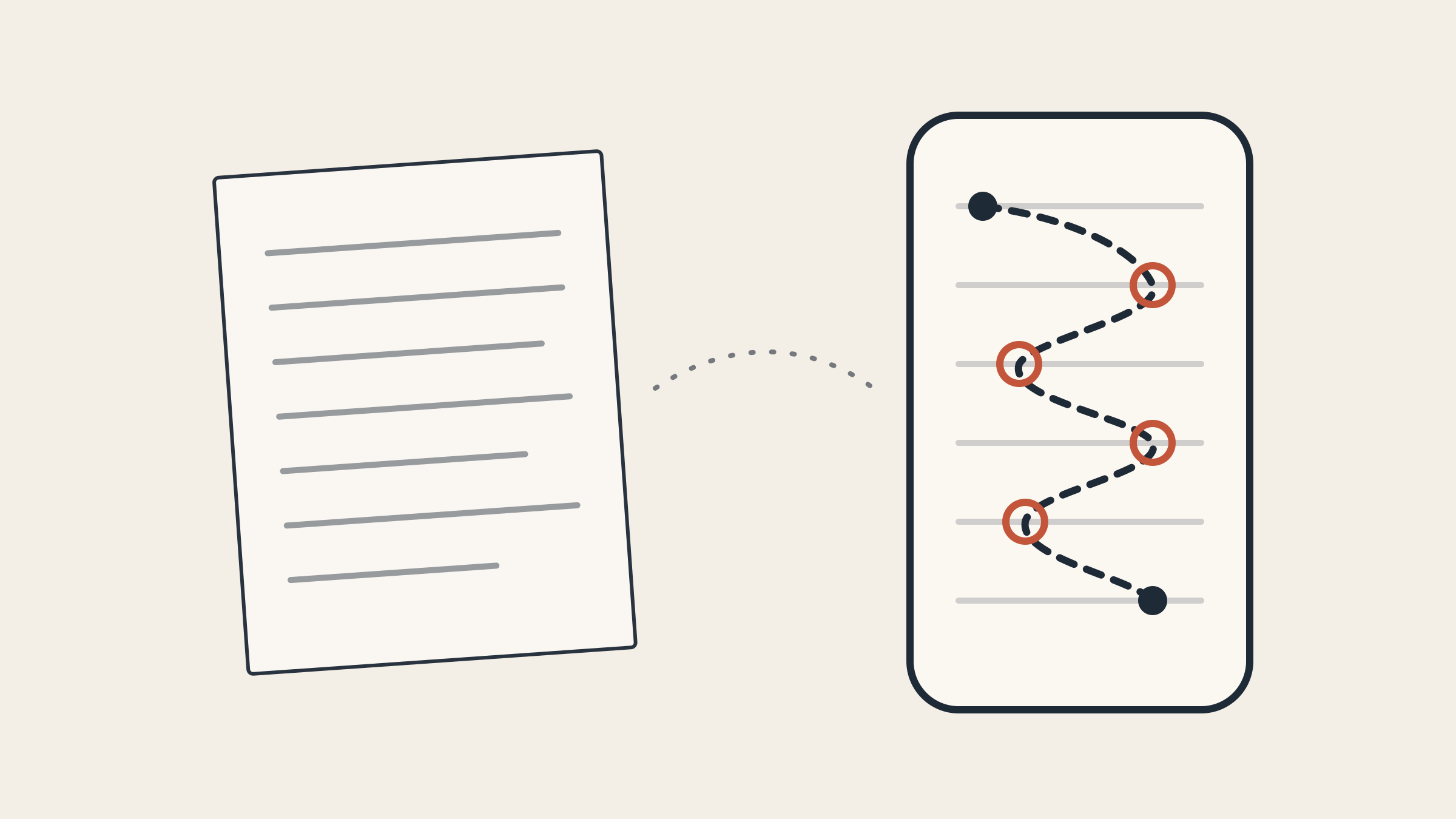
I’m planning a small mobile app that turns the time you have left with the people close to you into a number and asks one question each morning. The plan and the decision notes looked consistent. Before any real code, I had an agent build a rough, clickable simulation of the finished app and click through it end to end while I watched.
In 30 to 40 minutes it showed things I had missed on paper:
- A 16-year-old child marked as living in the same home got about 11,100 days together. The math assumed they would share a home for life.
- After a visit was logged, the app said the number had been updated, and it didn’t move. The formula softened early entries on purpose, so the motivation it promised wouldn’t show in the first months.
- The same visit could be logged from the morning card and from the person’s card, so it counted twice.
- After 30 days, a summary said my intentions matched reality for people I hadn’t seen at all. For someone you see a few times a year, 30 days is too short to judge.
- A phone call and an in-person meeting landed under the same “last seen” label.
Each one went back to the decision list.
For a simple flow this is probably more than needed. Here the numbers, the timing and the wording depend on each other, and reading the plan didn’t show me where they stopped fitting together. Walking through a fake version of the finished thing did.