Staged Directory Rollouts: Preserving Full Semantic Reach Without the Soft-404 Trap
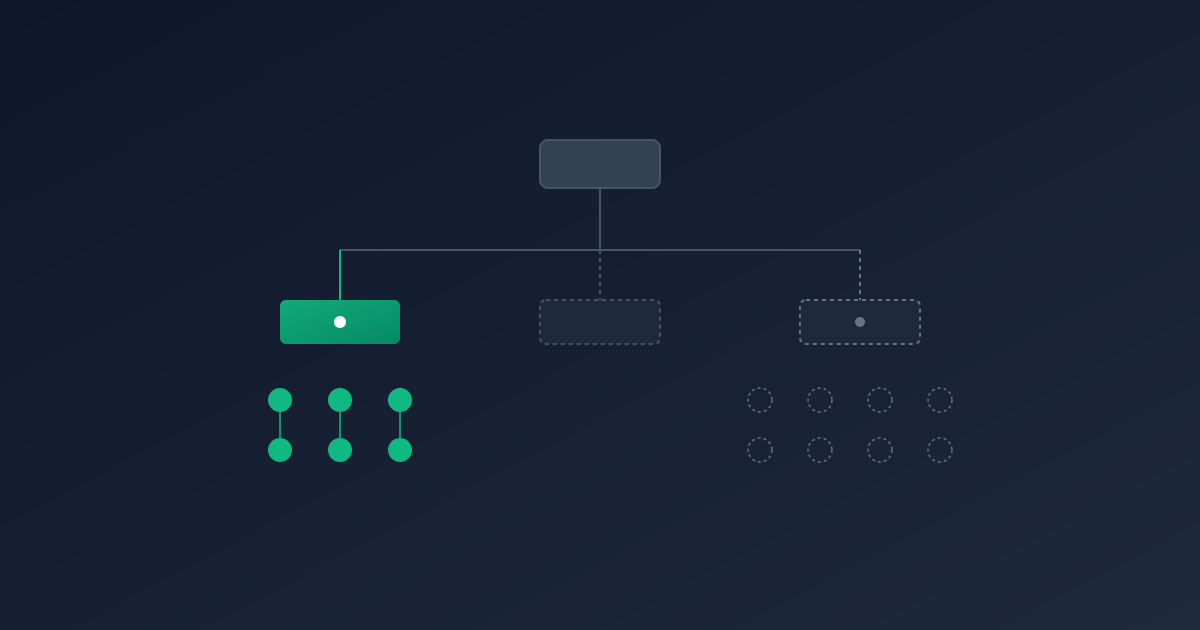
When launching an ambitious catalog or reference utility, teams rarely ship every single regional dataset on day one. A staged rollout is the natural engineering choice: ship a verified pilot batch, refine the pipeline, and expand progressively.
This introduces a subtle discovery dilemma.
If your directory only mentions the pilot nodes, search engines evaluate the site as a narrow, localized tool. You miss the opportunity to establish early topical footprint across your full intended catalog scope.
The intuitive shortcut is worse: scaffolding out empty “coming soon” pages for the remaining regions. Search engines quickly flag these unpopulated URLs as soft-404s or thin programmatic sprawl, degrading site-wide crawl quality right at launch.
The clean resolution lies in root-level interface transparency.
Expose the entire intended scope on the main directory index, but enforce a strict architectural boundary:
- Unlinked text placeholders: Render pending nodes as static text, completely devoid of anchor tags or route links. If there is no production payload, there must be no reachable URL on the wire.
- Explicit editorial state: Label each pending item with transparent progress markers (e.g., Awaiting verification or In production pipeline). This signals human editorial curation rather than abandoned automation.
- Crawl budget protection: Zero hollow URLs enter the sitemap or the link graph, keeping error budgets clean.
Search engines parse the text entities across the root index, recognizing the complete national or multi-region scope on day zero. Meanwhile, visitors encounter an honest roadmap rather than broken navigation.