Does Affiliate Marketing Still Work in 2026? $19k in 70 Days with Real Data
A common debate in online business right now is whether affiliate marketing is dead. Between search algorithm shifts and AI summaries answering common queries directly on the results page, the traditional affiliate review site is having a difficult time.
Ten weeks ago, in early July 2026, we launched a single-purpose programmatic utility tool on a brand new domain. There was no pre-existing domain authority, no PR campaign, and no backlink outreach.
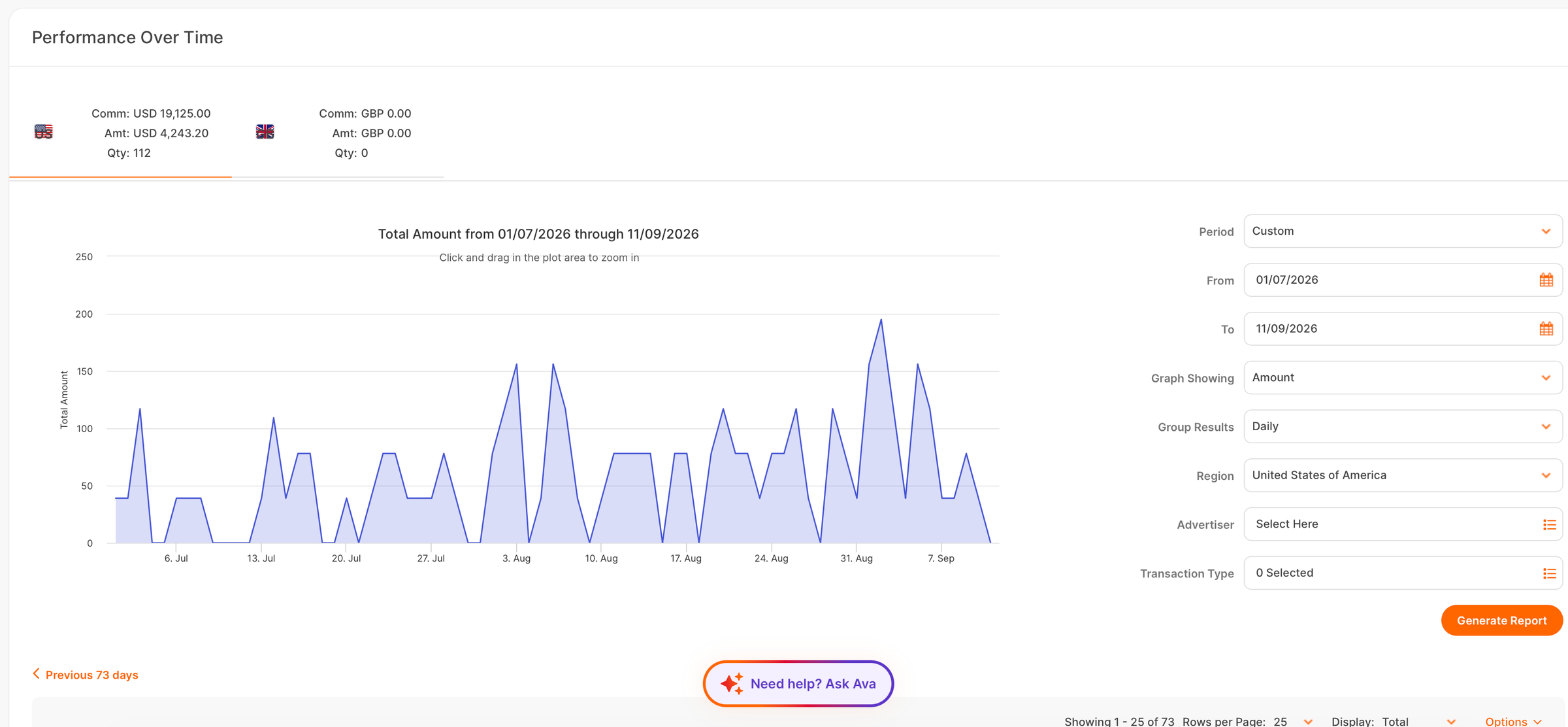
Here are the unvarnished numbers after 73 days of operation, based directly on our network reporting data.
The 70-Day Baseline: 83 Sales and $14,050 in Commissions
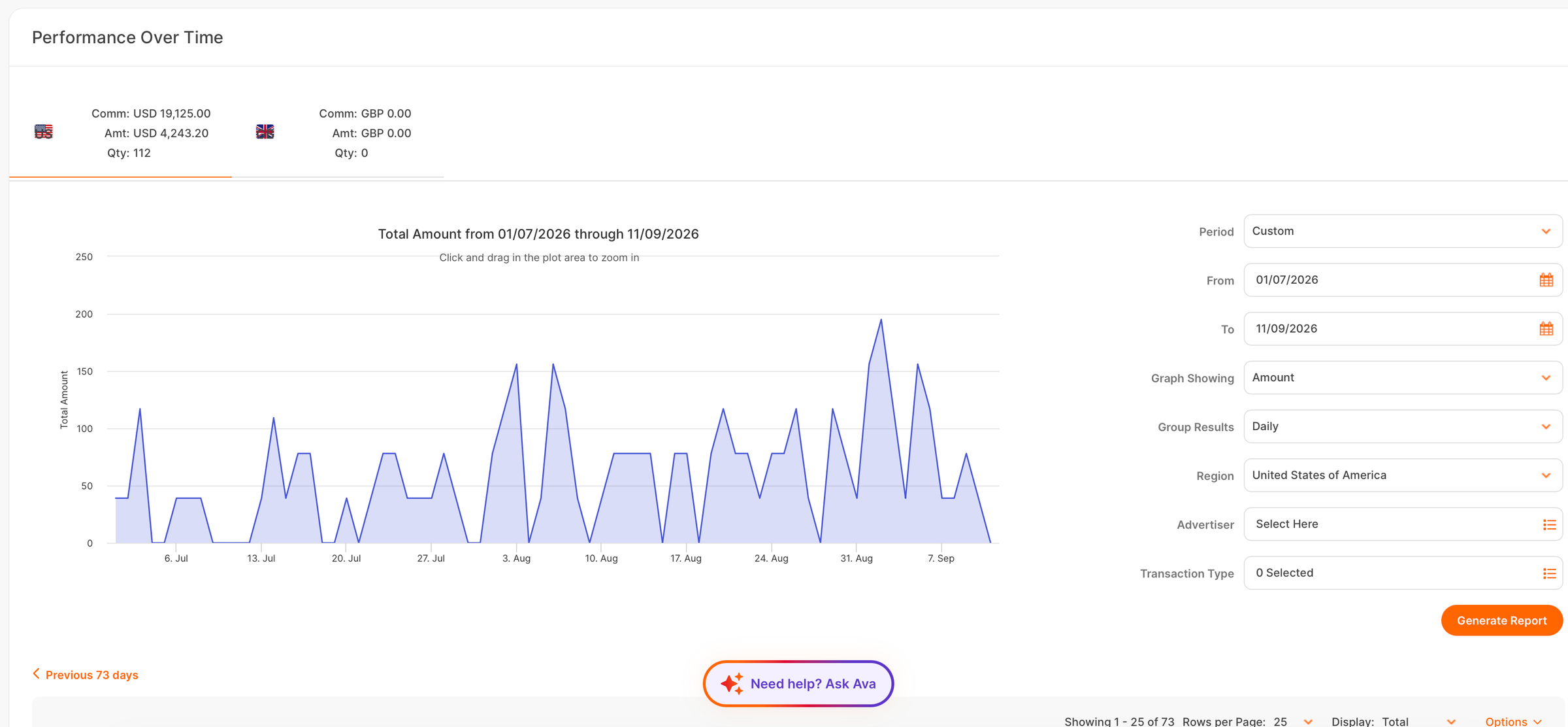
Across our entire publisher account on the affiliate network, 112 transactions generated $19,125 in gross commissions.
On this specific new search tool alone, the tracking recorded 85 rows and 83 commissionable sales:
- Approved and paid: 55 orders ($9,450.00)
- Pending network review: 28 orders ($4,600.00)
- Customer cancellations: 2 orders ($350.00)
- Realized net commissions: $14,050.00
With only two cancellations out of 83 orders, the cancellation rate was 2.41%.
The sales volume grew steadily month over month:
- July: 20 sales ($3,500.00), averaging 0.65 sales per day.
- August: 44 sales ($7,350.00), averaging 1.42 sales per day, a 120% increase over July.
- September (first 11 days): 19 sales ($3,200.00), averaging 1.73 sales per day.
Why Content Blogs Struggle While Utility Tools Convert
Most affiliate guides still recommend publishing 3,000-word comparison articles. The problem with those pages is that users skim past the text, and AI search engines extract the conclusions without sending referral traffic.
Instead of writing articles, we built a free verification and lookup tool. Visitors arrive with an immediate, high-friction question. The tool queries verified public data sources and gives them an answer in two seconds.
When the tool confirms that their query or record is clear, the visitor experiences immediate relief. Right inside that confirmation card, we place a single relevant partner link to help them take the next step.
That single confirmation slot generated 4,085 clicks, 80 sales, and $13,700 in commissions. It achieved a 1.96% conversion rate (one sale every 51 clicks) and an Earnings Per Click (EPC) of $3.35. Over 95% of our revenue came from that single primary market.
By contrast, informational guide pages on the same website received 256 clicks and generated zero sales. People reading informational guides are browsing; people using a functional lookup tool are ready to act.
The 12-Minute Window: Real User Behavior
Analyzing the transaction log revealed how fast utility visitors decide:
- The median lapse time from click to purchase was 12 minutes.
- 74.1% of all purchases occurred within 30 minutes of the click.
- 88.2% occurred within 2 hours.
- Only 7.1% took longer than 24 hours.
This is not a comparison-shopping audience that spends three days opening tabs. When a user runs a check and gets a clean result, they proceed to checkout immediately.
Device behavior also showed an important pattern. 28.2% of our sales started with a click on a mobile device (iPhone or Android), but 100% of final checkouts were completed on a desktop browser. Maintaining clean affiliate cookies that persist across the session was essential to capturing those conversions.
Paid Search Failed, Organic Search and AI Assistants Won
We ran a controlled paid search pilot on Google Ads for about six weeks to test paid acquisition.
It lost money. Commercial search keyword bids drove customer acquisition cost (CAC) to $222.50 per sale, while our affiliate commission was $175. We stopped the ads in late August.
Meanwhile, organic discovery carried 97.5% of the revenue at zero ad spend:
- Google Organic: 26 sales ($4,375.00)
- Bing Organic: 23 sales ($3,900.00)
- Direct traffic: 7 sales ($1,225.00)
- Privacy search engines (DuckDuckGo and Yahoo): 6 sales ($1,050.00)
AI assistants represented an unexpected new channel. Referrals from Copilot, Claude, and Gemini generated 8 sales ($1,400.00), about 10% of total revenue. Because large language models need to direct users to functional tools rather than static content, they naturally cite and link utility sites.
The Structural Risks to Keep in Mind
An honest report must also note the systemic vulnerabilities:
- Single merchant dependency: 100% of revenue comes from one service provider. If that partner changes terms or pauses tracking, revenue drops to zero overnight.
- Single slot fragility: 95% of revenue relies on the lookup success card. If the upstream data provider goes down or throttles requests, the site cannot monetize.
- Domain youth: A 70-day-old domain has not weathered multiple core algorithm updates. Early organic rankings can fluctuate.
Affiliate marketing in 2026 is still very viable, but the traditional playbook of long-form review blogs is losing ground. Building a lightweight tool that solves a specific piece of friction in two seconds produces better unit economics and far higher conversion rates than thousands of words of filler.